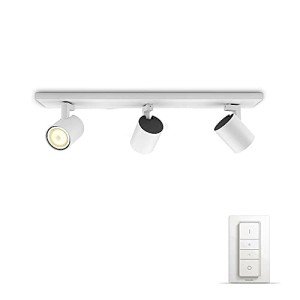
20 Up-And-Comers To Follow In The Industrial Lamps UK Industry


Industrial Lamps in the UK: Illuminating Industries and Workspaces
In an age where effective lighting options play a pivotal function in improving performance and safety in different industrial settings, industrial lamps have become essential tools for factories, storage facilities, workshops, and more. The UK's market for industrial lighting is quickly progressing, driven by improvements in innovation, a growing concentrate on energy effectiveness, and stringent safety regulations. This short article checks out the different kinds of industrial lamps readily available in the UK, their applications, and the factors to consider that ought to be made when choosing the suitable lighting options for industrial environments.
Comprehending Industrial Lamps
Industrial lamps are created particularly for usage in a range of industrial settings. They supply the needed lighting while also considering the unique obstacles presented by such environments, including dust, wetness, high ceilings, and variable temperature levels. Industrial lamps can be found in various types, including LED, fluorescent, and metal halide lighting, each with its own set of attributes and advantages.
Types of Industrial Lamps
LED Industrial Lamps:
- Description: LED (Light Emitting Diode) industrial lamps are energy-efficient, long-lasting, and supply excellent illumination.
- Advantages:
- Energy efficiency (approximately 80% less energy consumption)
- Long life expectancy (as much as 50,000 hours)
- Low heat emission
- Immediate brightness without any flickering
- Applications: Factories, storage facilities, and construction websites.
Fluorescent Industrial Lamps:
- Description: These lamps produce light through the excitation of gas, commonly used in environments needing consistent illumination.
- Advantages:
- Good color rendering
- Cost-efficient
- Numerous sizes and shapes
- Applications: Workshops, garages, and assembly lines.
Metal Halide Industrial Lamps:
- Description: This type of gas discharge lamp produces a bright, white light and is often used in big areas.
- Advantages:
- High strength and brightness
- Outstanding for sports venues, car park, and big industrial centers
- Applications: Warehouses, filling docks, and outdoor locations.
Comparison Table of Different Types of Industrial Lamps
| Lamp Type | Energy Efficiency | Lifespan | Brightness | Application Areas |
|---|---|---|---|---|
| LED Industrial Lamps | Up to 80% | Up to 50,000 hours | Very High | Factories, Construction Sites |
| Fluorescent | Moderate | 7,000 - 15,000 hours | Moderate to High | Workshops, Garages |
| Metal Halide | Moderate | 15,000-20,000 hours | High | Storage Facilities, Outdoor Areas |
Picking Industrial Lamps
When selecting industrial lamps, a number of elements need to be considered. These consist of:
- Type of Application: Different locations have varying lighting requirements. For instance, high-precision tasks might require brighter, more focused lighting compared to basic work space lighting.
- Energy Efficiency: With increasing energy costs and ecological issues, selecting lamps with high energy effectiveness can cause substantial cost savings with time.
- Lifespan: Longer-lasting lamps lower maintenance costs and downtime, making them more effective in hectic industrial settings.
- Security Standards: Compliance with safety guidelines is vital. Industrial lamps must be created to withstand extreme conditions, consisting of moisture, dust, and effects.
- Expense: While in advance expenses matter, the long-term cost savings achieved by means of energy-efficient and lasting lamps should also be considered.
Advantages of Appropriate Industrial Lighting
- Enhanced Safety: Proper illumination decreases the threat of mishaps and injuries in industrial environments.
- Increased Productivity: Adequate lighting promotes better exposure, aiding in the efficiency of employees.
- Cost Savings: Energy-efficient lamps lead to lower electrical energy bills and less frequent replacements.
- Enhanced Quality Control: Good lighting enables much better assessment processes, eventually boosting product quality.
Often Asked Questions (FAQs)
Q1. How do I figure out the best type of industrial lamp for my facility?A1. Evaluate the specific lighting needs and conditions of your facility. Consider factors such as the jobs being performed, the size of the area, and any regulative requirements.
Q2. Are LED lights worth the financial investment in an industrial setting?A2. Yes, LED lights offer significant long-term cost savings due to lower energy consumption and longer lifespans, making them a cost-effective alternative in the long run.
Q3. Can I set up industrial lamps myself?A3. While some people may have the skills to install lamps, it is often advised to employ a qualified electrical contractor to guarantee compliance with safety standards and local regulations.
Q4. What upkeep is needed for industrial lamps?A4. Routine assessments for damage, cleaning of lighting fixtures, and timely replacement of defective lamps are important to maintain optimal performance.
Q5. What are the latest patterns in industrial lighting innovation?A5. Advances in smart lighting systems, consisting of IoT (Internet of Things) integration and sophisticated energy management services, are at the forefront of industrial lighting innovation.
The ideal industrial lamps are crucial to ensuring safety, efficiency, and cost efficiency in various industrial settings. The UK market uses a range of lighting services, from LED lamps to fluorescent and metal halide options, each suitable for different applications. By understanding the features and benefits of these lighting types and taking key considerations into account, companies can make informed decisions that will illuminate their work areas effectively while enhancing efficiency and conserving expenses. Rustic Lamps UK in the best industrial lighting not just boosts general atmosphere but also promotes a more secure and more productive work environment.